History of the Paringa Bridge
The History of the Paringa Bridge
The Paringa Bridge is one of the most important landmarks in the Riverland region of South Australia. Spanning the Murray River between Paringa and Renmark, the bridge has played a significant role in transport, trade and regional development since its opening in 1927. It is also recognised as an important heritage structure and remains the only lift-span bridge across the Murray River in South Australia.
Before the bridge was built, people travelling between Paringa and Renmark relied on ferries to cross the river. This created delays for passengers, farmers and businesses transporting goods throughout the Riverland. When the railway reached Paringa in 1913, there was increasing demand for a permanent crossing to connect Renmark to the South Australian rail network.
The bridge was designed by the South Australian Railways as a combined road and rail bridge. Construction took place during the 1920s to support the growing agricultural and irrigation industries of the Riverland. The structure was fabricated by Perry Engineering of Adelaide and was considered one of the State's major engineering projects of the period.
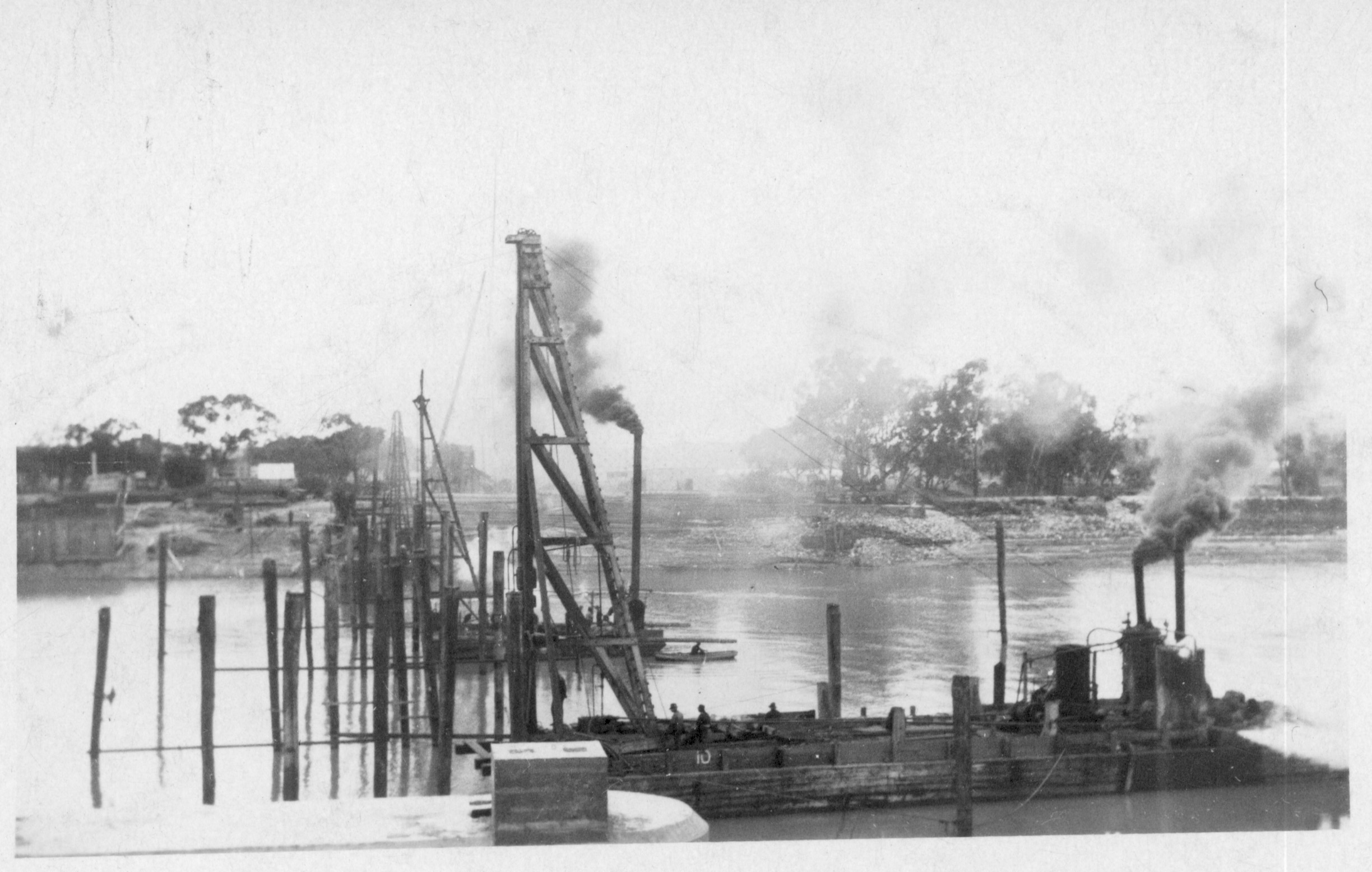
Building the bridge was a challenging task because engineers had to construct foundations in the Murray River while ensuring river traffic could continue operating. Massive concrete piles were driven deep into the riverbed to support the bridge's piers. The completed structure measured approximately 173 metres in length and included several steel truss spans.
The most distinctive feature of the bridge is its central vertical-lift span. Balanced by large counterweights, this section can be raised about nine metres to allow river vessels, such as paddle steamers and large houseboats, to pass beneath. At the time of its construction, the lift mechanism was regarded as a remarkable engineering achievement.
The Paringa Bridge was officially opened on 31 January 1927. The opening celebrations attracted thousands of people from across the Riverland. A specially decorated train carrying approximately 400 passengers crossed the bridge into Renmark, while an estimated 6,000 spectators gathered to witness the historic occasion. The opening marked the completion of a direct rail and road connection across the Murray River.
The bridge transformed transport within the region & across interstate Farmers could move fruit, grain and other agricultural products more efficiently to markets in Adelaide and beyond. The bridge also improved access for residents, visitors and businesses, contributing to the economic growth of the Riverland.
For more than fifty years, both trains and motor vehicles used the bridge. Railway services continued until 1982, and the rail line was later closed. The railway tracks were removed in 1986 and replaced with a pedestrian and cycling path, while the road lanes continued to serve traffic.
Today, the Paringa Bridge is listed on the South Australian Heritage Register because of its historical and engineering significance. It represents the development of the Riverland's irrigation settlements and remains a rare example of an early Australian road and rail lift bridge. The bridge continues to be an important transport link and a popular tourist attraction.
The Paringa Bridge is a significant part of Riverland history. Built to improve transport and support regional development, it replaced ferry crossings and connected Renmark directly to the railway network. Nearly a century after its opening, the bridge remains an impressive engineering achievement and an enduring symbol of the Riverland community.
Photos thanks to the Renmark Paringa Historical Society.